


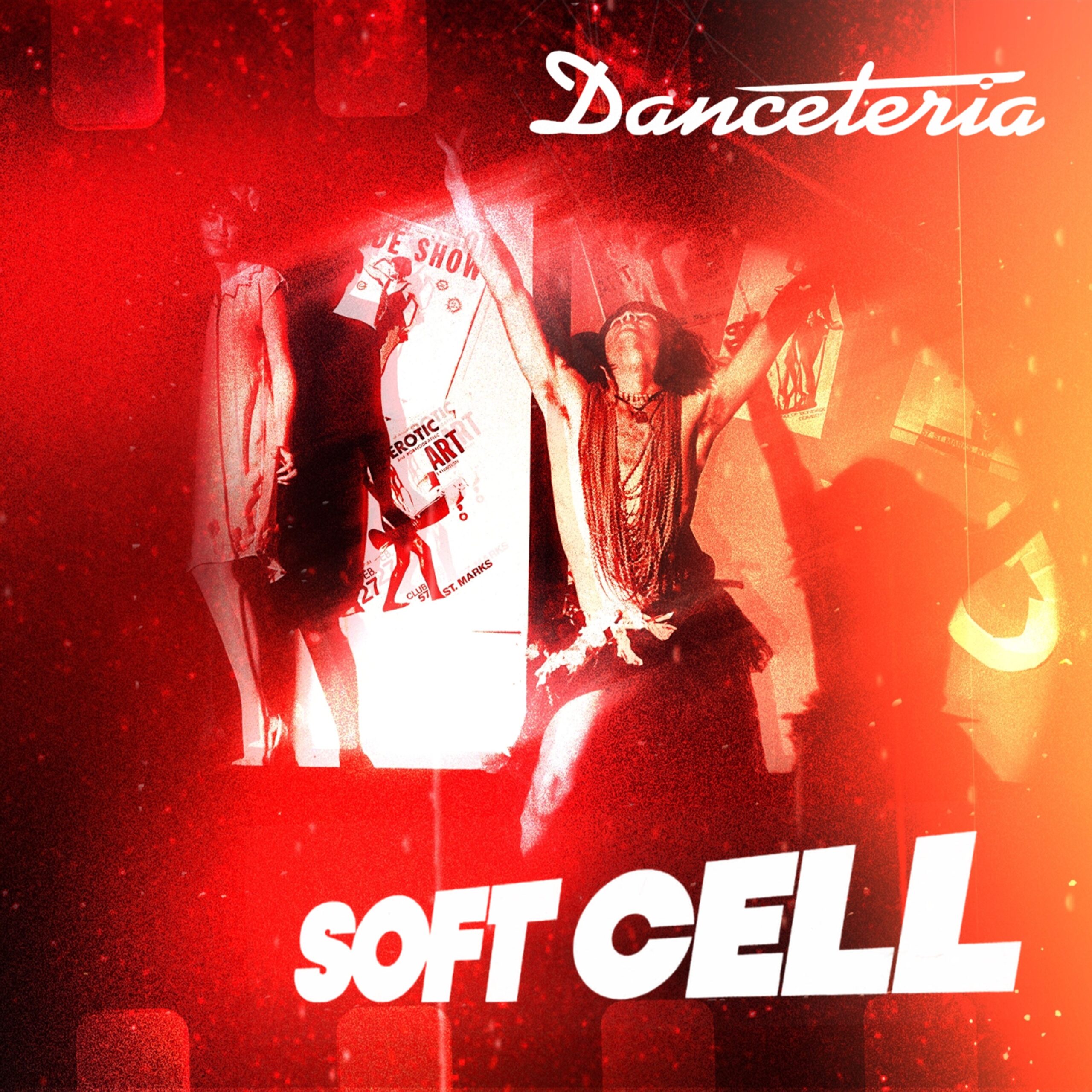
Named after the iconic New York nightclub, ‘Danceteria’ is the sixth and final album from synth-pop stalwarts Soft Cell and arrives almost a year since the death of multi-instrumentalist Dave Ball, who finished work on the record just days before his passing. Inspired by his and frontman Marc Almond‘s experiences in New York City during the 1980s, where they recorded their breakthrough hit ‘Tainted Love’, storytelling lyrics are paired with a hedonistic production that makes for a fitting, full-circle farewell.
This is, Almond has affirmed on several occasions, the final Soft Cell project; in announcing the album, he insisted: “There can be no more recordings of Soft Cell without Dave, it would not be possible. The sad reality is that Dave Ball was half of Soft Cell, and live work aside, I can’t write Soft Cell songs without him.” It’s apt, then, that the pair’s final collaboration sees them reminisce on a period of lofty highs and excesses that fuelled the creation of their classic recordings.
While Soft Cell’s debut album, 1981’s ‘Non-Stop Erotic Cabaret’, also featuring such hits as ‘Bedsitter’ and ‘Say Hello, Wave Goodbye’, can be regarded as a concept piece set in the grittier side of London’s Soho, fuelled by illicit affairs, debauchery and sex work (the title itself comes from a strip club sign), ‘Danceteria’ celebrates their time in Downtown Manhattan, rubbing shoulders with Andy Warhol and Madonna, embracing the punk, dance and LGBTQ+ scenes.
The scene is set from the opening, with ‘Elusive’ featuring a sample of Anita Sarko, the legendary Danceteria DJ, reminiscing on the venue’s glory years and their commitment to living in the present and enjoying the moment: “When we were doing our thing in the ’80s, we didn’t sit there and go ‘Oh, this is going to be remembered’.”
It was, of course, remembered, with Almond singing of all of the above on the title song, taking a glimpse at those who come out after nightfall on ‘The Space Inside’ and celebrating excess in all its glory on ‘Decadence is Hard Work’.
Aptly, it’s music that brings the diverse crowd together, something he spotlights on ‘In Heaven (When I Dance With You)’: ‘Here it is where we belong / Now, on the dance floor, who could ask for more?’ There is more, however, and he’s not shying away from the darker side of Manhattan nightlife; ‘Crackland’ is an upbeat ode to picking up drugs – ‘Need to know a trick if you wanna get a hit’, Almond sings, ‘we’re going to Crackland – baby say ‘please’.’
If the bulk of ‘Danceteria’ takes place in the depths of the night, the final run of tracks arrives the morning after. Much like any evening of excess, the triple-hit of ‘What Is Your Morality’, ‘Losing Yourself’ and ‘After Hours’ sees Almond facing up to the night before in the light of day. The overall consensus is it was worth it in the end: ‘Losing yourself… is better than finding yourself.’
While ‘Wave to America’ plays in the final moments of ‘Danceteria’, a cover of Was (Not Was)’s ‘Out Come the Freaks’ – with backing vocals from Nona Hendryx – is an apt post-credits encore and a final farewell from one of synth-pop’s all-time greats, made even more fitting thanks to vocal contributions from Ball, who closes out the duo’s triumphant last album with the fitting ‘Woodwork squeaks and out come the freaks’, handing the reins to generations to come.


